
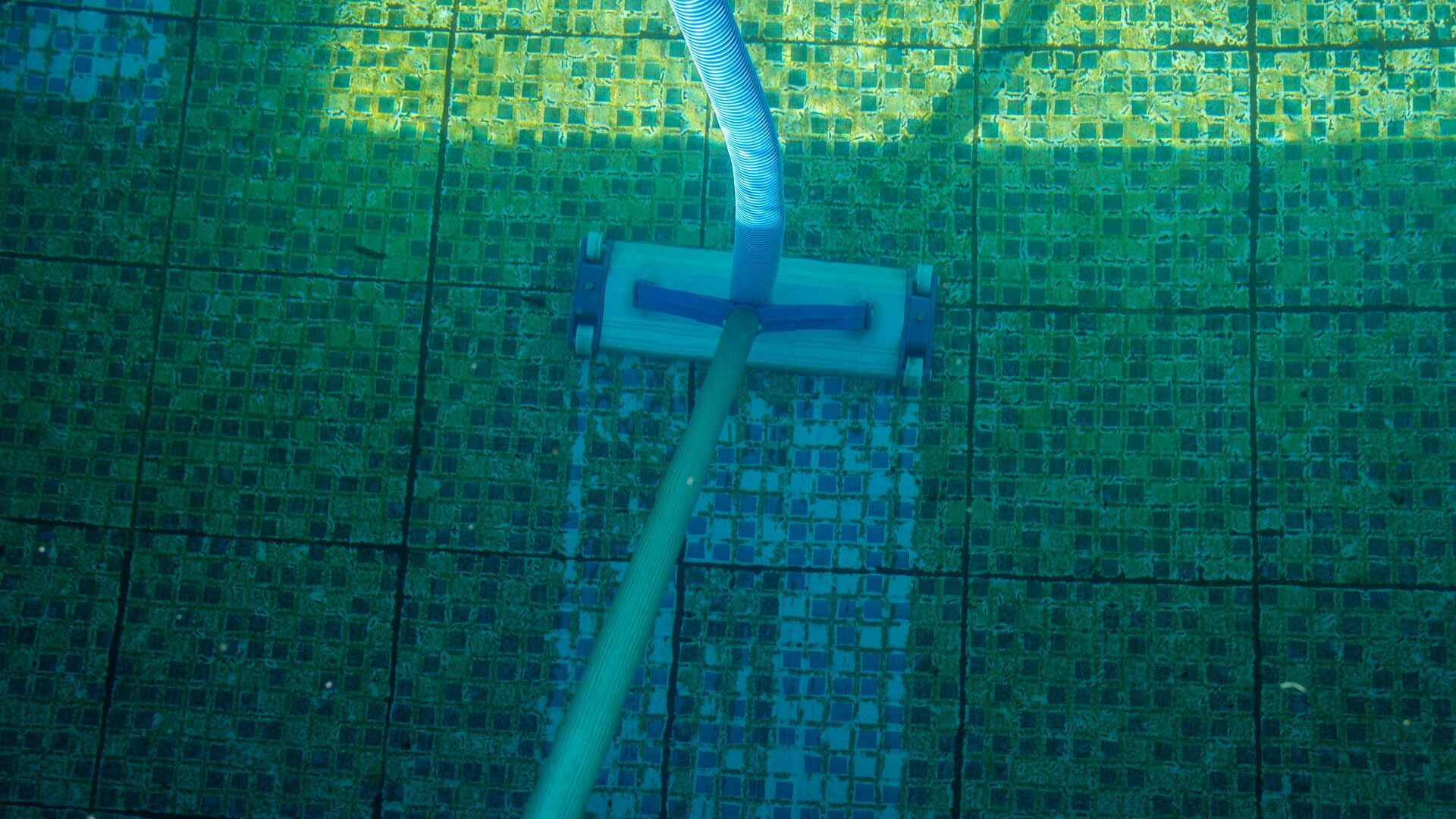
No. The CDC recommends not swimming in pools with visible algae growth. Algae itself is not the primary health concern — the conditions that allow algae to grow (inadequate free chlorine, poor sanitation) also allow bacteria and pathogens to survive. A pool green enough to see algae is a pool where the chlorine is not working.
This is not a question with a nuanced answer that depends on pool conditions. Visible algae is a reliable indicator that free chlorine is failing to sanitize the pool adequately. The algae is the symptom — the inadequate sanitation is the risk.
Why Algae in a Pool Is a Health Concern
Algae itself is generally not harmful to healthy swimmers in the quantities found in residential pools. The health risk comes from what algae growth signals: free chlorine that is not effective. When algae is growing visibly, chlorine levels are insufficient to prevent the growth of bacteria including E. coli, Pseudomonas aeruginosa, and other pathogens that cause ear infections, skin infections, respiratory illness, and gastrointestinal illness.
Additionally, algae consumes free chlorine rapidly, creating a cycle where the more algae present, the less chlorine is available for sanitation — and the more dangerous the water becomes. A pool that looks mildly green in the morning may have near-zero free chlorine by afternoon after a warm sunny day with algae consuming it throughout.
Source: CDC Healthy Swimming — pool sanitation requirements and health risks from inadequate chlorination
The Specific Risks by Algae Type
| Algae Type | Appearance | Health Concern | Swimming Risk Level |
| Green algae (most common) | Bright to dark green water, slippery walls | Indicates inadequate free chlorine. Associated bacterial contamination likely. | Do not swim. Treat before re-entry. |
| Yellow/mustard algae | Yellow or tan powder on walls and floor, often in shaded areas | Chlorine-resistant. May persist even at normal FC levels. Associated with Pseudomonas contamination. | Do not swim. Requires specialized treatment. |
| Black algae | Dark blue-green spots or patches, usually on plaster surfaces | Deeply rooted, highly chlorine-resistant. Creates pockets of inadequately sanitized water. | Do not swim. Requires aggressive physical removal plus chemical treatment. |
| Pink algae (actually bacteria) | Pink or reddish slime in corners, near fittings, or on equipment | Actually Methylobacterium — a bacteria, not algae. Indicates poor circulation and sanitation in stagnant areas. | Do not swim. Requires thorough brushing and sanitizing. |
What Free Chlorine Level Makes a Pool Unsafe?
The CDC recommends a minimum of 1 ppm free chlorine in residential pools without CYA, and a minimum of 2 ppm with CYA, to maintain effective sanitation. Below 1 ppm, bacteria that cause recreational water illness (RWI) are not being effectively controlled.
A pool with visible algae growth has almost certainly dropped below these minimums at some point — algae does not establish visibly when free chlorine is consistently maintained above 1-2 ppm in the correct CYA range. Testing the pool now may show FC at 1-2 ppm, but the algae started growing during a period when FC was lower and conditions favored growth.
✓ KEY FACT: The FC/CYA ratio matters more than the FC number alone. A pool with 3 ppm FC and 100 ppm CYA is less effectively sanitized than a pool with 1 ppm FC and 30 ppm CYA. If your pool has visible algae despite an apparently normal FC reading, test CYA before concluding the chemistry is correct.
What About Pets and Children?
Children and pets are at higher risk from inadequately sanitized pool water than healthy adults. Children are more likely to swallow pool water during play. Dogs are almost certain to ingest water while swimming. Both are more susceptible to the gastrointestinal and ear infections associated with inadequately chlorinated water.
If a pool has visible algae, keep children and pets out of the water until treatment is complete and FC is confirmed at 1-4 ppm per PHTA guidelines.
When Is It Safe to Swim Again After Treating Algae?
| Condition | Safe to Swim? |
| Algae still visible anywhere in the pool | No |
| Pool is cloudy white or gray after shocking (algae dead but not filtered) | No — wait for the pool to clear |
| Pool is clear but free chlorine not yet tested | No — test first |
| Free chlorine below 1.0 ppm | No — add chlorine and retest |
| Free chlorine 1.0-4.0 ppm, pool visually clear | Yes — safe to swim |
| Free chlorine above 4.0 ppm | No — wait for FC to drop below 4.0 ppm |
Source: PHTA free chlorine safe swimming range 1.0-4.0 ppm; CDC minimum 1-2 ppm recommendation
How to Get the Pool Safe for Swimming Again
The full process is covered in the green pool treatment guide. The short version:
- Test CYA — if above 80 ppm, drain 1/3 to 1/2 and refill before any other treatment
- Adjust pH to 7.2-7.4
- Brush all surfaces thoroughly
- Shock with 68% cal-hypo at 3-7 lbs per 10,000 gallons depending on severity — after sunset
- Run filter continuously, backwash every 8-12 hours
- Add polyquat 60 algaecide the morning after shocking, once FC drops below 4 ppm
- Test FC, pH, and CYA before allowing swimming — pool must be visually clear with FC 1.0-4.0 ppm
If X Happens, Do Y
My pool has slight algae on the walls but still looks mostly clear. Can I swim?
No. Algae visible on pool surfaces — even slight green or yellow streaks on walls or at waterline — indicates inadequate sanitation in those areas. The water may test at acceptable chlorine levels, but the algae presence confirms that sanitation was recently inadequate and the bloom is beginning. Treat with shock and algaecide before swimming and before the bloom becomes a full pool problem.
Can I swim in a pool with just a little green tinge?
No. Even a light green tinge indicates algae is actively growing in the water. A pool that looks slightly green in the morning can turn fully green by evening in warm weather. The tinge is not a minor cosmetic issue — it is an indicator that free chlorine is not controlling microbial growth. Treat before swimming.
My pool turned green while I was away for a week. Is the equipment damaged?
Algae itself does not damage pool equipment. The risk from extended algae growth is surface staining (particularly on plaster and grout), clogged filters, and depleted stabilizer levels. After clearing the algae, clean the filter thoroughly, check the pump basket, and test full chemistry before returning to normal maintenance. Equipment that ran continuously through an algae bloom — particularly the filter — should be inspected and cleaned.