
Closing your swimming pool at the right time is one of the most important maintenance decisions you’ll make all year. Close too late and you risk frozen pipes, cracked pump housings, and a chemical nightmare waiting for you in spring. Close too early and you may return to a green, algae-filled swamp. The sweet spot comes down to water temperature, your local climate, and a little forward planning.
As a general rule, begin your pool closing process when the water temperature consistently drops below 65°F (18°C). At that point, algae growth slows significantly, which means your closing chemicals will hold through winter without constant intervention. Waiting for a hard frost to make the decision for you is a gamble — and one that often ends with an expensive repair bill.
Why Water Temperature Matters More Than the Calendar
Many pool owners go by the date — Labor Day, the end of September, or the first chilly morning. But the calendar is an unreliable guide. What actually matters is sustained water temperature. Algae thrives in water above 65°F, so if you close while the water is still warm, you’re sealing in the conditions that lead to a bloom. On the other hand, if your region experiences a warm October, closing in early September means your cover may be sitting on water that’s still biologically active.
Use a reliable pool thermometer and track readings over several days. Once you see a consistent pattern below 65°F — typically in late September through October for most of the United States — it’s time to start your closing checklist.
What Happens to Your Pump and Plumbing in Cold Weather
Your pump, filter, and plumbing lines are the most vulnerable parts of your pool system when temperatures drop. Water expands as it freezes. Any water left sitting in your pump housing, filter tank, or underground plumbing lines will expand as it freezes — and that expansion doesn’t care how much your equipment cost.
- Pump housing cracks: Cast iron and plastic pump housings crack when trapped water freezes inside them. Replacement costs typically run $200–$600 or more.
- Cracked filter tanks: Sand and cartridge filter tanks are especially vulnerable. A single freeze event can split the tank, requiring full replacement.
- Burst plumbing lines: Underground PVC lines that aren’t properly blown out can crack or separate at joints, leading to leaks that are difficult and costly to locate and repair.
- Heater damage: Pool heaters contain internal heat exchangers full of water. If not drained, a freeze can destroy the exchanger — one of the most expensive components to replace.
Proper winterization means draining or blowing out all lines, removing drain plugs from the pump and filter, and storing equipment indoors where temperatures stay above freezing. Picking up the right Winter Pool accessories before you close — including a quality cover, air pillow, and winter plugs — makes this process significantly easier and protects your investment through the coldest months.
How Cold Weather Affects Pool Chemicals
Keeping a pool open when temperatures regularly fall below 50°F creates a chemical balancing problem that most owners don’t anticipate. Here’s what happens:
- Chlorine becomes less effective: Below 65°F, chlorine still works but slower. Below 50°F, sanitizer demand drops dramatically — but if you’re still adding chemicals on a warm-weather schedule, you can overcorrect and throw pH and alkalinity out of range.
- pH drift: Cold water chemistry behaves differently. pH tends to rise in cold water, which reduces chlorine efficacy even further and can cause scaling on your pool walls and equipment.
- Algaecide breakdown: Algaecide degrades faster when water temperatures fluctuate dramatically — the kind of swings common in shoulder-season weather.
- Shock becomes unpredictable: Shocking a pool in very cold water (below 50°F) is largely ineffective. The oxidation reaction slows significantly, meaning you’re using chemicals without getting the results you’d expect.
Before you close, test and balance your water thoroughly — target a pH of 7.2–7.6, alkalinity of 80–120 ppm, and calcium hardness of 180–220 ppm. Then add a quality winter algaecide and a closing shock treatment. For detailed guidance on safe chemical handling during this process, refer to the Pool Chemical Safety guidelines published by the Virginia Department of Health — a practical reference for any pool owner.
Signs You’ve Waited Too Long
If you’re second-guessing your timing, watch for these warning signs that closing should happen immediately:
- Overnight temperatures are regularly dropping below 40°F
- You’ve had the first frost in your area
- Water temperature has fallen below 55°F
- You’re running the pump continuously just to prevent freezing
- Chemical treatments aren’t holding as long as they should
Pools That Stay Open Year-Round
If you live in a warmer climate — Florida, Southern California, Arizona, or similar — year-round operation is common and perfectly fine with the right maintenance routine. The considerations above apply primarily to pool owners in USDA climate zones 6 and below, where hard freezes are a seasonal reality. Even in mild climates, however, keeping an eye on water temperature and adjusting your chemical routine for cooler months will extend the life of your equipment and keep your water cleaner.
Understanding how different pool cleaning systems perform across seasons can also help you optimize your maintenance schedule. See our breakdown of Robotic vs. Suction vs. Pressure Pool Cleaners to find the right system for year-round or seasonal use.
A Simple Closing Checklist
- Test and balance water chemistry (pH, alkalinity, calcium hardness, chlorine)
- Shock the pool and add winter algaecide
- Clean the pool thoroughly — brush walls, vacuum the floor, empty skimmer baskets
- Lower the water level below the skimmer (for tile line protection in freeze climates)
- Blow out and plug all plumbing lines
- Drain and store the pump, filter, and heater
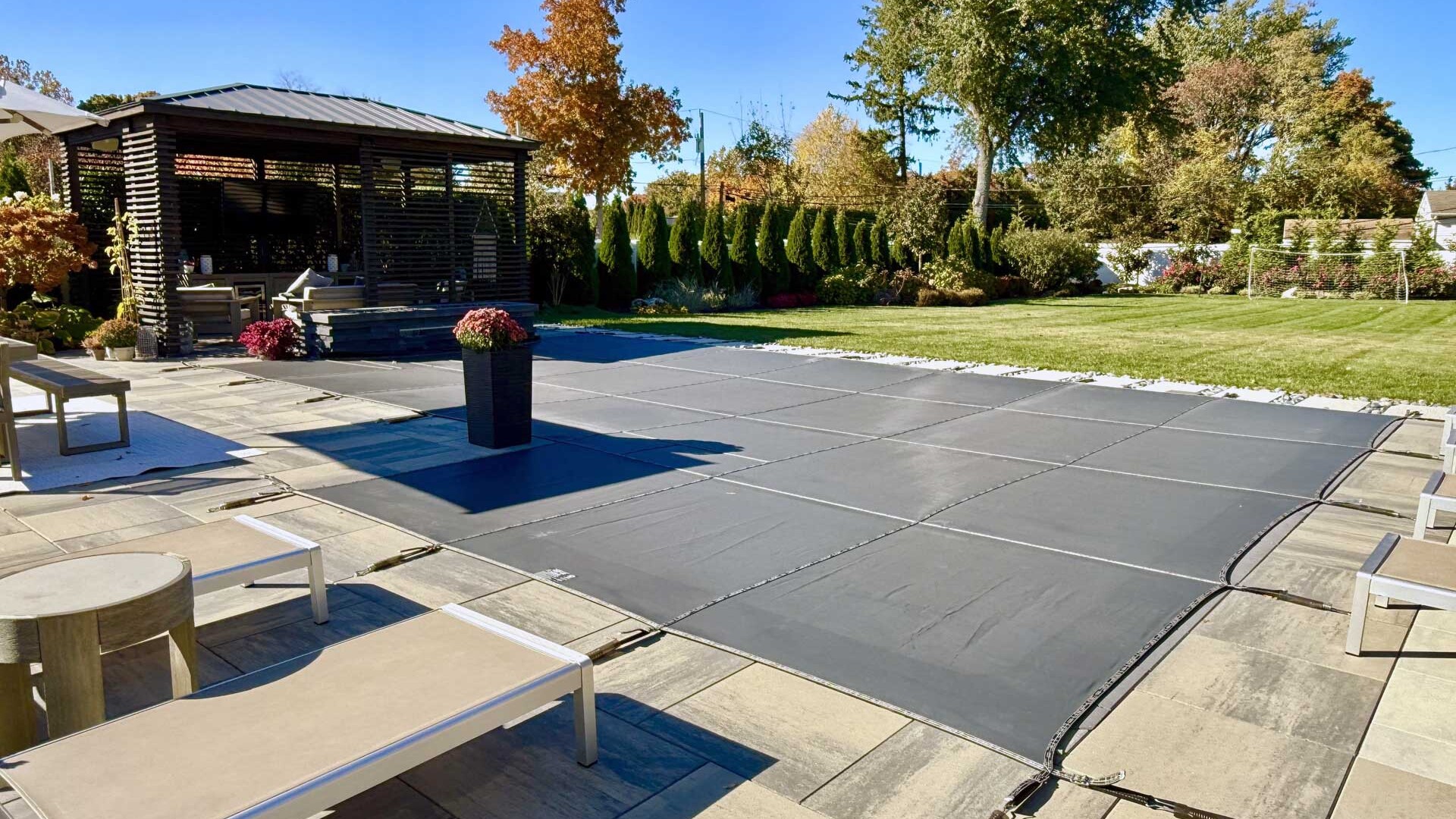
- Install a winter cover securely
- Add an air pillow under the cover to manage ice expansion
Closing your pool on time and closing it right are two sides of the same coin. A little attention now saves hundreds — sometimes thousands — in repairs come opening day. When the water hits that 65°F threshold and the nights start getting cold, take it as your cue to get started.